Why We Chose Not to Use Zinc Oxide
Bask Team
Baby Skin Health Expert
Zinc oxide is probably the most recognized ingredient in baby skincare. It's in Desitin, Boudreaux's, and dozens of other diaper creams. It works. We're not here to argue otherwise. But we made a deliberate decision not to include it in the Bask Gentle Liner, and we want to explain why.
Zinc oxide is classified as a drug
This is the most important thing to understand. In the United States, the FDA classifies zinc oxide as an over-the-counter (OTC) drug active ingredient when used as a skin protectant. That means any product containing zinc oxide at therapeutic concentrations must comply with the OTC Drug Monograph, including:
- A Drug Facts panel on the packaging
- Specific labeling requirements
- Good Manufacturing Practice (GMP) standards for pharmaceuticals
- Restrictions on what other ingredients can be combined with it
None of this means zinc oxide is dangerous. It means the regulatory framework treats it differently than cosmetic ingredients. And that framework creates constraints.
Why the drug classification matters
When you're formulating a product under the drug monograph, your ingredient choices become limited. You can't freely combine a drug active with certain cosmetic ingredients. You face additional testing requirements. And the labeling rules mean your packaging looks more like a medicine than a baby care product.
We wanted the freedom to build the best possible formula without those constraints. By staying in the cosmetic category, we could choose ingredients purely based on their safety, gentleness, and compatibility with infant skin, not based on what the drug monograph allows.
Zinc oxide is a physical barrier, not a conditioner
Zinc oxide works by sitting on the surface of the skin and creating a thick physical barrier that blocks moisture. It's effective at that job, but it doesn't condition skin or moisturize from within.
Our approach is different. Instead of blocking moisture with a thick paste, we chose ingredients that:
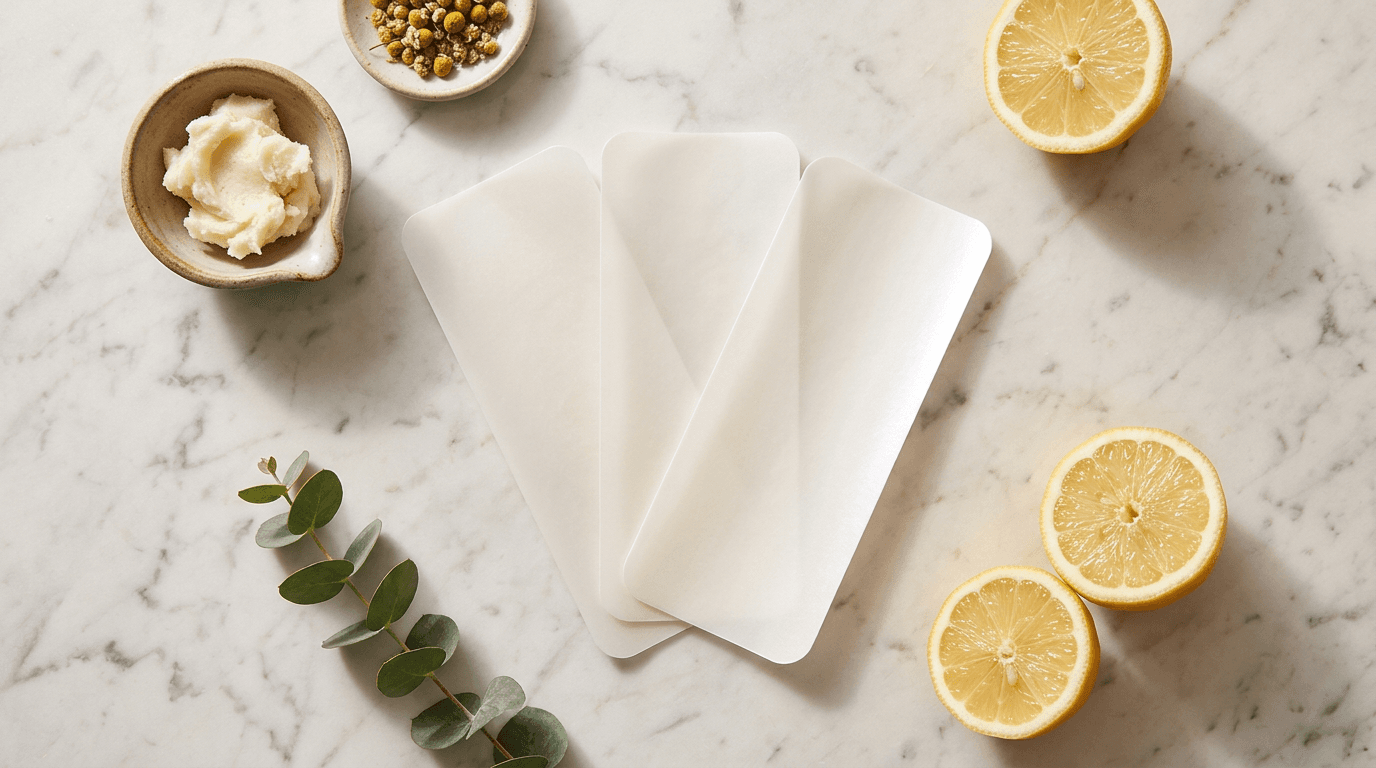
- Condition the skin (shea butter and squalane are known for nourishing with natural lipids)
- Support softness (panthenol is recognized for its skin-smoothing and conditioning properties)
- Soothe skin (bisabolol, from chamomile, is known for its calming and anti-irritant properties)
- Maintain pH (citric acid is widely used to help keep skin in its natural comfort zone)
These ingredients work with the skin's own biology rather than just coating over it.
The mess factor
Let's be honest: zinc oxide creams are messy. They're thick, white, and sticky. They get under your fingernails, on baby's clothes, and caked onto the changing pad. For products that need to be applied multiple times a day, every day, the user experience matters. If something is annoying to use, parents use it less consistently, and consistency is everything in skin conditioning.
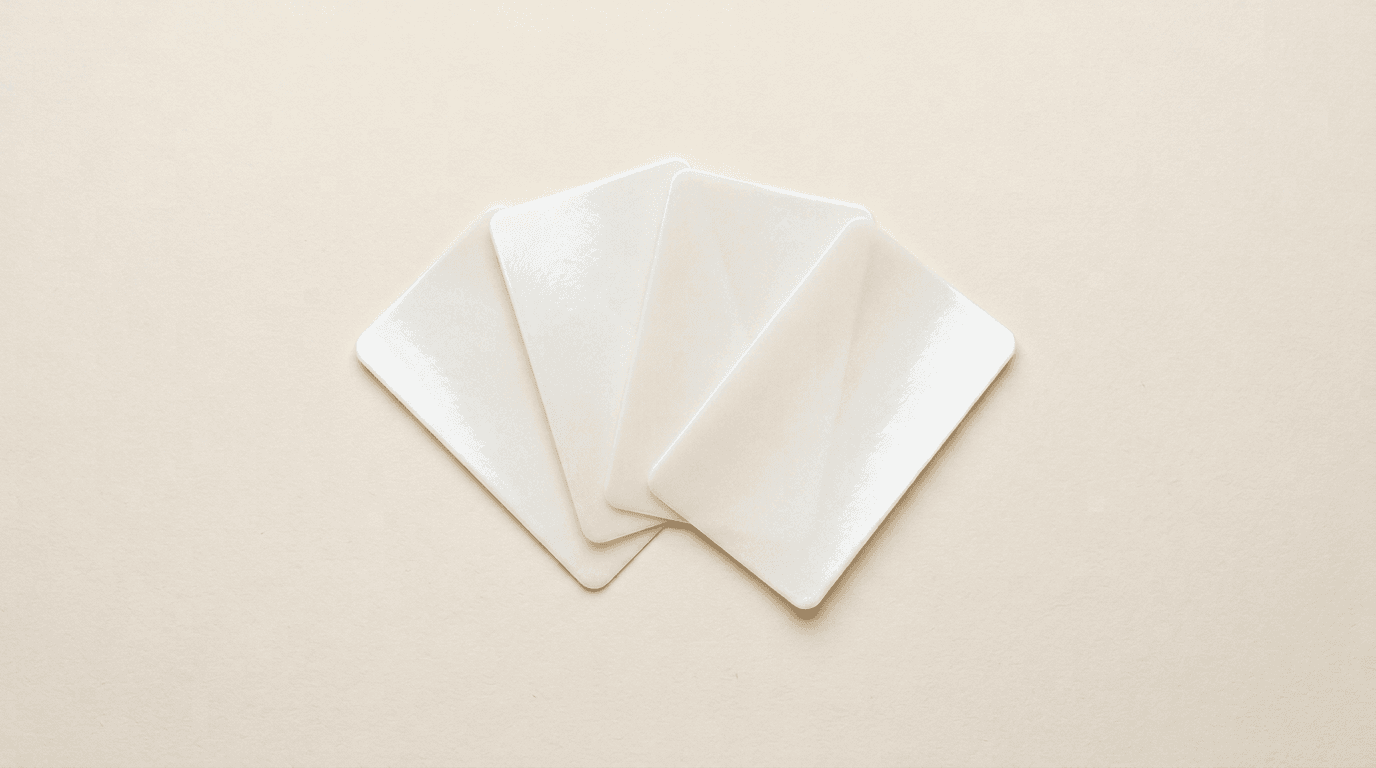
The Bask liner eliminates that friction entirely. No application. No mess. No steps to forget.
We respect zinc oxide. We just chose a different path.
If your pediatrician has recommended a zinc oxide cream for your baby, use it. It's a well-studied ingredient with decades of use. Our decision not to use it isn't a criticism. It's a reflection of a different philosophy.
We believe that for everyday skin conditioning, there are gentler, cleaner, and more convenient options. Six ingredients, cosmetic-grade, delivered passively inside the diaper. That's the Bask approach.